
About Robusta Coffee
ABOUT ROBUSTA COFFEE
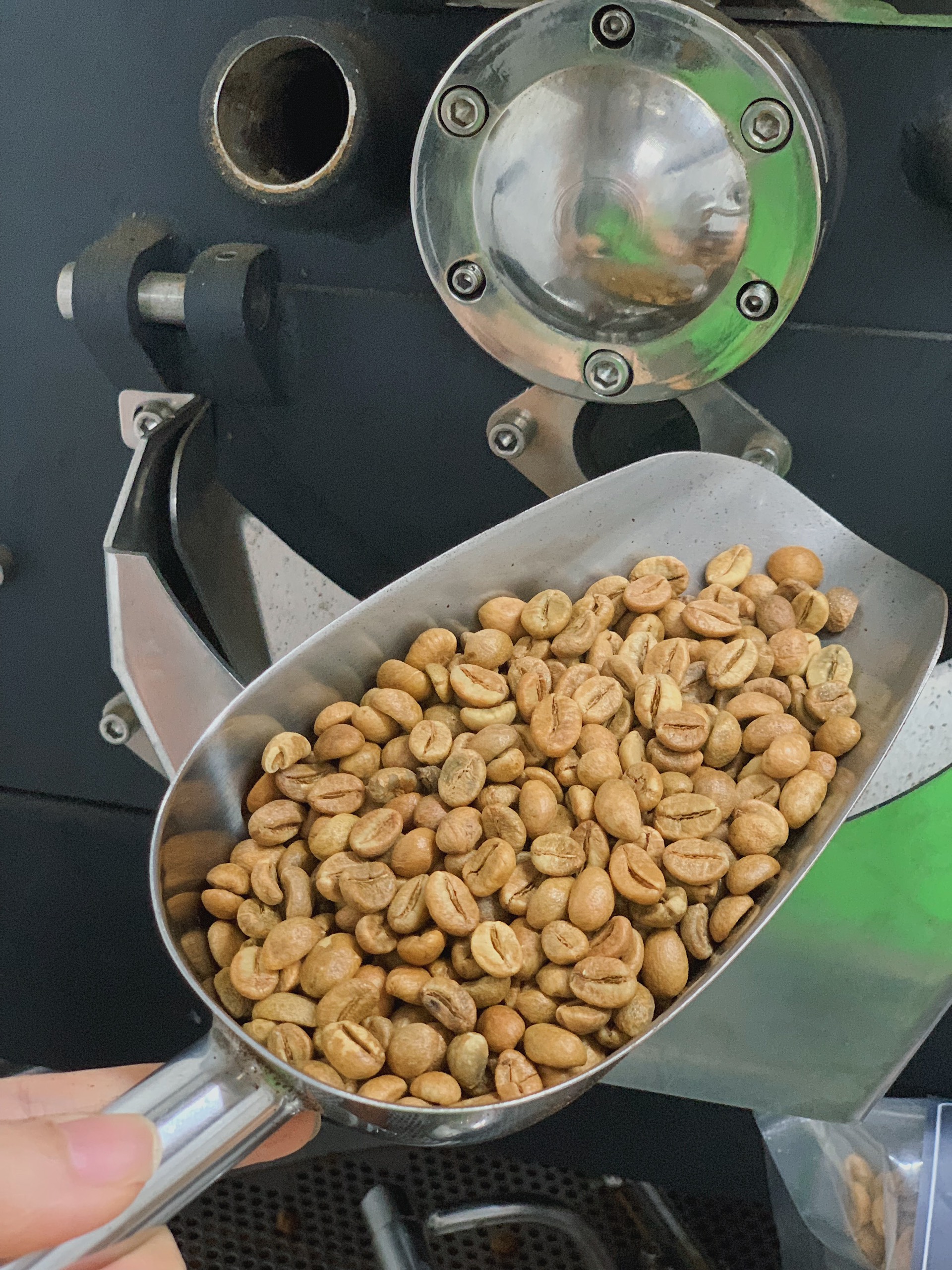
In Vietnam, Robusta is the most popular and best-loved type of coffee today. Mention Robusta and you immediately think of its signature strong, bitter flavor.
The Robusta coffee plant was first discovered in the Congo in the 1800s. It later naturalized in many countries such as Polynesia, Costa Rica and Jamaica, and was propagated and widely cultivated in countries such as Malaysia and Indonesia.
Robusta, also known as "cà phê Vối", is of great economic value and is the world's second most produced coffee variety. Vietnam is the world's largest Robusta exporter, with Robusta making up nearly 90% of the planted area across the Central Highlands and Buon Ma Thuot (Buôn Ma Thuột). It grows at altitudes below 1,000 m above sea level, at an average temperature of 24-29°C, which suits a tropical climate. Robusta trees especially need plenty of favorable sunlight.

(Illustrative photo)
A Robusta tree lives for about 20-30 years on average, a mature tree can grow up to 10 m tall, and it bears fruit in just 3-4 years. The plant is resistant to pests and diseases, which makes it convenient for farmers to grow.
Because Robusta contains 2-4% caffeine, compared with only 1-2% in Arabica, Robusta is often blended with Arabica to enrich the flavor of a cup of phin filter coffee or espresso. The blend ratio varies with each person's taste. If you love a bitter flavor, use more Robusta; if you prefer a gentle, smooth cup, use more Arabica.
Related Articles
 SHARING ABOUT COFFEE · 2023/03/20
Why does Robusta coffee produce a better crema than Arabica?
Why does Robusta coffee produce a better crema than Arabica? Put simply: first, Robusta’s higher acid content gives it a better ability to form crema; second, Robusta has less oil, so its crema stays stable longer than an extraction made entirely from Arabica.
 SHARING ABOUT COFFEE · 2022/03/10
The Crema in an Espresso and What You May Not Know
How to make a great espresso? What affects the crema of an espresso? Crema is mainly created by air (mostly CO2) in the coffee cells when brewed with a high-pressure coffee machine. It emulsifies the coffee oils in the extract – oil normally cannot dissolve in water, but under high pressure the oil droplets are broken down to microscopic size and can disperse in the water. This emulsion, combined with some CO2 gas, forms the crema foam we are talking about.